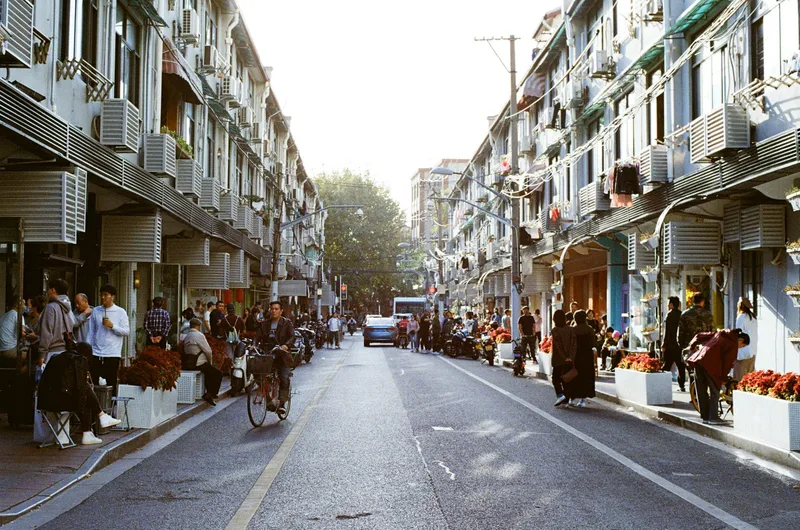
Choose a meal, not an endless list
Start with the kind of experience you want: a quick bowl of noodles, a few snacks, a shared restaurant meal or tea and a quiet seat. Give one meal a clear place in the day. You can enjoy a city’s food without crossing town for every widely shared recommendation.
In Shanghai, xiaolongbao offers a small, specific starting point: steamed dumplings containing hot soup, described in the city’s own food guide. Put one on a spoon, let steam escape and taste cautiously. In Chengdu, build a meal around the Sichuan dishes that interest you, then add a teahouse pause on another part of the day. UNESCO recognises Chengdu’s gastronomy tradition; that gives useful context, not a guarantee about an individual kitchen.
A simple way to order
- Look before sitting down. Check the menu or pictures, ask how ordering works and decide whether the place fits your group.
- Name any restrictions first. Show a clear written explanation before choosing dishes. A preference for less chilli is a different conversation from an allergy.
- Start with a small order. For a shared meal, choose a combination of dishes with different ingredients and preparations. Ask about portions rather than guessing from photographs.
- Check what accompanies the dishes. Ask about rice, drinks and anything placed on the table that you did not order.
- Confirm the payment method. Use the merchant’s own code or terminal and check the amount and recipient before authorising payment.
For two people, a small initial order lets you find your appetite before adding more. Solo travellers may find a noodle bowl or an individual dish easier than a menu built around large shared plates. A family can order one familiar option alongside something new.
A few phrases to save
- 菜单 — càidān: menu. Ask to see it before choosing.
- 不辣 — bù là (spoken bú là): not spicy. Follow up on ingredients if that matters to you.
- 少辣 — shǎo là: less spicy. The result still depends on the kitchen.
- 买单 — mǎidān: to pay the bill; “Check, please.” You can also show the payment screen when staff direct you to it.
Use a translation app to turn a short question into a conversation. Pointing at a dish can help; a long paragraph that mixes allergies, preferences and several orders is harder to check.
When ingredients matter
Write down the exact ingredients you cannot eat and ask whether they occur in the dish, sauce, stock or preparation. Vegetarian-looking vegetables may not tell you what is in the broth or seasoning. If staff cannot answer clearly, choose another dish or another place. For a serious allergy, arrange an appropriate translated card and travel plan with your usual clinician before departure; a generic phrase is not a safety assurance.
If you eat halal, see Halal food and Muslim-friendly travel in China for how to recognise halal restaurants and plan meals city by city.
Leave time to enjoy it
A meal can be the main event after a museum, a walk or a long transfer. Choose a convenient area and sit down. Keep a payment backup as described in the payment guide, and save the hotel route before the evening ends. Food becomes easier to explore when you are comfortable enough to be curious.