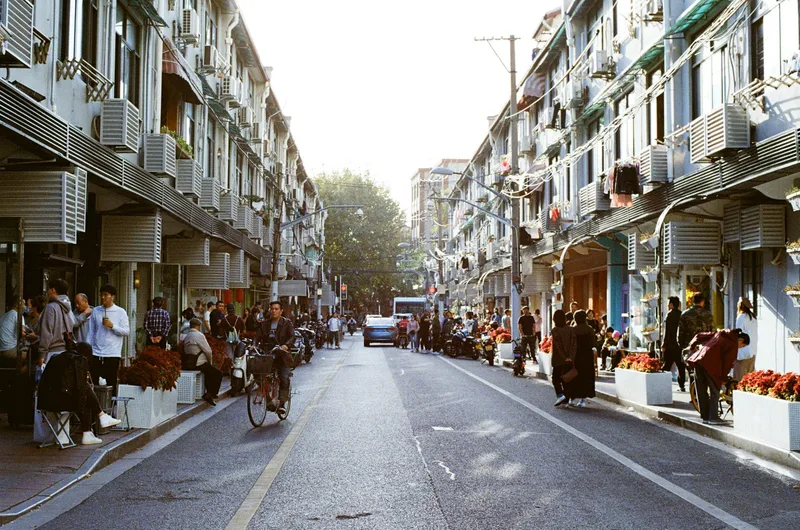
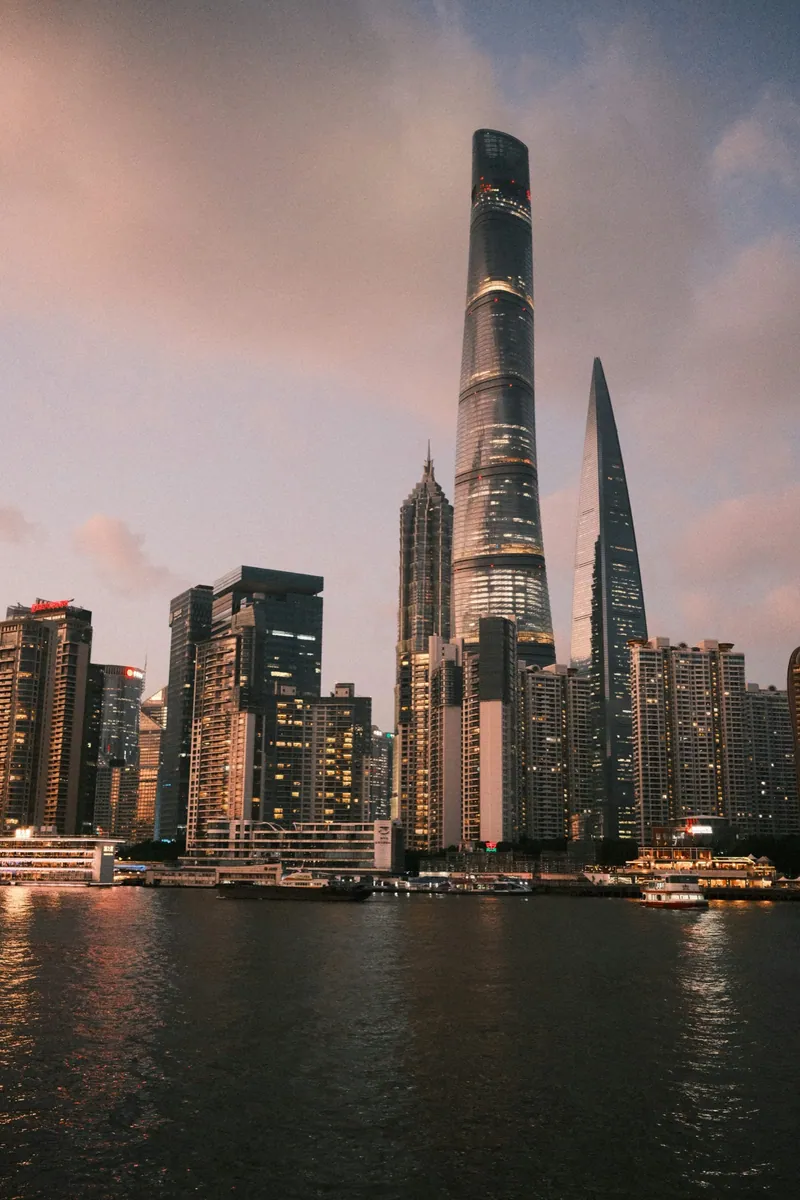
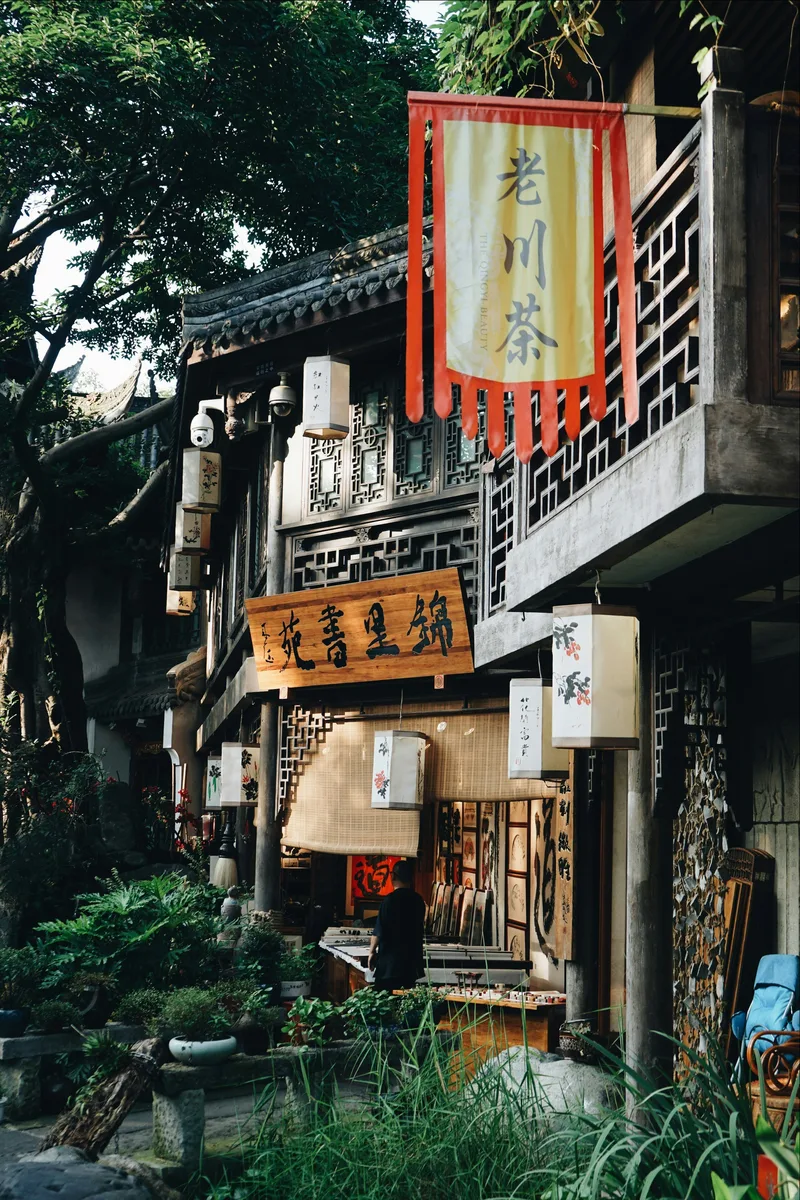
China is a good trip for travellers in their 60s and 70s, and from Singapore or Malaysia it’s an easy one: direct flights take about 5 to 6½ hours, there’s no time difference, and fast trains link the big cities. What makes it work is pace: one main sight a day, fewer hotel changes, and the high mountain towns saved for a later trip.
If you’d like a second opinion before you book for your parents, tell us their ages and the cities you have in mind, and our team will get back to you.
Is China a good trip for seniors?
Yes, as long as you plan for the walking.
- It’s close. Changi has nonstop flights to 29 mainland cities, and KLIA to at least 14, including Beijing, Shanghai and Chengdu. Singapore, Malaysia and China are all on UTC+8, so nobody loses a day to jet lag.
- Entry is simple. Singapore and Malaysian ordinary passports go visa-free for up to 30 days (Singapore, Malaysia). Other passports: see China entry for Southeast Asian passports.
- Getting around is easy on the legs. High-speed trains link Beijing, Xi’an, Chengdu and Shanghai, and a folding wheelchair rides free.
- The hard parts are predictable. Long palace walks, Great Wall steps, holiday crowds, squat toilets and altitude in the far west. Each has a fix, below.
Our rule of thumb: build every day around whoever tires first.
Where are the easiest places to go?
Start where the ground is flat, transfers are short and the main sight doesn’t need a climb. The walking column is our rough guide for a typical visit.
| Where | Walking | Why it works | Plan around |
|---|---|---|---|
| Shanghai and Hangzhou | Light | Flat cities; the fastest trains from Shanghai take about 45 minutes; direct flights to both | Rain: keep a museum or long lunch as a backup |
| Chengdu | Light | Pandas in the morning, tea in the afternoon; the panda base lists free entry at 60+ (bring your passport and ask at the gate) | The base is outside the centre; go early |
| Beijing | Moderate to heavy | Forbidden City, the Great Wall by cable car, Summer Palace free at 60+ | Long palace walks; book ahead |
| Xi’an | Moderate | Terracotta Army, a short stretch of city wall, food lanes | The army is outside the city: go by car |
| Guilin | Light to moderate | Karst scenery, about 2 hours from Guangzhou by fast train | Wettest from April to July |
| Zhangjiajie | Moderate, with lifts | Eco-buses, cable cars and the Bailong lift do the climbing | Cable cars close for maintenance at times |
| Lijiang and Shangri-La | Moderate | Old towns and mountain views in Yunnan | Altitude: about 2,400 m and 3,300 m |
Leave these for a later trip, or plan them with more care: Jiuzhaigou, Lhasa and other high places (see the health section below), and central Chongqing, where streets sit on steep slopes at different levels.
A relaxed 10-day route for a first trip
Fly into Beijing and home from Chengdu, so you never backtrack. Two train days, and at least two nights at every stop. Train times are the fastest on the 12306 timetable.
Beijing · 4 nights
- Day 1: arrive. About 6 to 6½ hours from Singapore. Check in, early dinner near the hotel, nothing else.
- Day 2: Forbidden City. The palace doesn’t sell tickets on the day and closes on Mondays except national holidays, so book ahead under each person’s passport. It’s one long walk south to north; we suggest arranging your pickup near the north exit, then resting. Our Forbidden City booking steps show when tickets go on sale, what to try if your date is full, and which exits to plan a pickup at.
- Day 3: Summer Palace. Visitors aged 60 and over enter free with a passport, no ticket needed in advance. Pick one stretch of the lake, then a slow lunch.
- Day 4: Great Wall at Mutianyu. Go by car. A shuttle bus and cable car take you up; walk a short stretch and ride back down.
Xi’an · 2 nights
- Day 5: train to Xi’an, about 4 h 10. Take a late-morning train, not a dawn one. Evening: the food lanes by the Drum Tower.
- Day 6: Terracotta Army. Book ahead with passports. One ticket covers the museum and Lishan Garden, about 1.5 hours each, with a free shuttle between them. Car both ways; no second sight today.
Chengdu · 3 nights
- Day 7: train to Chengdu, about 3 h 05. If legs allow, walk a short section of the city wall first.
- Day 8: pandas. Get to the panda base early; visitors 60 and over enter free without booking (foreign passports: confirm at the gate). In the afternoon, sit over tea in People’s Park.
- Day 9: a free day. Wuhou Shrine, Kuanzhai Alley, or nothing at all.
- Day 10: fly home. About 5 hours to Singapore. From Kuala Lumpur, KLIA has nonstop flights to both Beijing and Chengdu; check current schedules.
Prefer Shanghai? Swap Chengdu for Shanghai and Hangzhou: fly from Xi’an to Shanghai, take the 45-minute train to Hangzhou for two nights, and fly home from either city.
How to shape each day
- Morning: one main sight, while energy is high.
- Midday: lunch and a proper rest at the hotel.
- Late afternoon: one easy thing: a park, a teahouse, a short walk.
- Every three or four days: leave half a day blank.
Want help pacing this route for your parents? Tell us who’s travelling and what pace suits them, and our team will get back to you.
How much walking is there at the big sights?
More than you’d expect at the palaces, less than you’d fear in the mountains, thanks to buses, cable cars and lifts.
| Sight | Save your legs | Good to know |
|---|---|---|
| Forbidden City | Walk one way, south to north; arrange a pickup near the north exit | No same-day tickets; closed Mondays |
| Summer Palace | Choose one area of the lake | Free at 60+, no advance ticket |
| Mutianyu Great Wall | Shuttle bus and cable car up and down | Book up to 15 days ahead; cable car and ropeway tickets aren’t interchangeable |
| Terracotta Army | Car from the city; free shuttle between the two sites | About 1.5 hours at each site |
| Xi’an City Wall | Walk one short section, leave by a nearby gate | No need to do the full circuit; check the steps at your gate |
| Chengdu panda base | Arrive early, follow one loop | Free at 60+, no booking (foreign passports: confirm at the gate) |
| Zhangjiajie (Wulingyuan) | Eco-buses, three cable cars and the Bailong lift | Run by different companies; check closures |
| Beijing metro | Use a car between sights instead | Not every entrance has a lift; help on 96165 |
In Zhangjiajie, check closures before you fix the day: the Tianzi Mountain cable car stopped for 12 days in January 2026. At Tianmen Mountain, Rednet reported on 11 October 2026 that, according to a scenic-area notice, the long cable car from the city would stop running from 13 October, with reopening to be announced, and that visitors would go up by the Tianmen Cave express ropeway from the Shanmen gate.
Do foreign seniors get discounts on tickets?
Sometimes; it depends on the sight. China’s law on older people counts citizens aged 60 and over as older people (Article 2) and asks sights to open free or at a discount to them (Article 59). Each province sets its own age for free entry: in a 2024 report on a Shaanxi reply, The Paper said only six provinces started at 60 and most others used 65 or 70. Shaanxi uses 65, which matches the Terracotta Army.
You may read that every foreigner over 60 gets in free or at half price. The sights’ own pages don’t say that; plan with this table.
| Sight | Age | Senior deal | Foreign passports |
|---|---|---|---|
| Summer Palace | 60+ | Free | Yes: show it at the entry lane |
| Temple of Heaven | 60+ | Free | Yes, per the Beijing tourism site: swap it for a ticket at the window |
| Forbidden City | 60+ | Half price | Unclear: ask when booking |
| Badaling Great Wall | 60+ | Free | Unclear: ask at the gate |
| Mutianyu Great Wall | 60+ from outside Beijing | Senior ticket, not free | Unclear: ask at the gate |
| Chengdu panda base | 60+ | Free, no booking | Unclear: ask at the gate |
| Wulingyuan eco-bus | 60+ | Half price | Unclear: ask at the gate |
| Terracotta Army | 65+ | Free, with booking | No: Chinese nationals only |
Summer Palace: Beijing’s parks authority, replying to a 64-year-old Italian visitor in February 2026. “Unclear”: the official page doesn’t say either way.
How to claim it
- Where booking is required, use your passport. The Forbidden City and the Terracotta Army take real-name booking, and foreign visitors book with a passport. Bring it on the day.
- Where it’s unclear, budget for the full ticket. Any discount is a bonus.
- The ride up doesn’t count. Mutianyu’s shuttle bus and cable car have no senior discount.
- No train discount on a foreign passport. China Railway’s seniors’ fare offer (for journeys up to 30 December 2026) accepts Chinese ID documents and Foreign Permanent Resident ID Cards, not ordinary foreign passports.
Wheelchairs, stairs and getting around: what help can you book?
Turning 60 doesn’t book you any help by itself. Each service has its own rules.
- Trains. 12306’s priority passenger service is for passengers who travel with a wheelchair, stretcher or similar aid, not for everyone over 60. Request it online at least 6 hours before departure, or at the station no later than 60 minutes before, with supporting documents. A folding wheelchair travels free and doesn’t count towards your luggage.
- Flights. Ask your airline when you book. China Eastern asks for at least 24 hours for a ground wheelchair and 48 for a cabin wheelchair; Singapore Airlines says requests within 48 hours may be delayed.
- Beijing metro. Some older lines can’t yet fit lifts at every entrance and use platform lifts or stair climbers; you can book help on 96165.
- A car with a driver saves more energy than anything else: door to door, and no stairs down to a platform.
- Hotels. Ask for a room near the lift, a walk-in shower and grab rails. Two or three hotels in ten days is plenty. Hotels register every foreign guest with the police, so have all passports ready at check-in.
Train booking, station gates and luggage are covered in Getting around China.
When should seniors go? Weather for travellers from the tropics
Spring and autumn tend to be the easiest seasons for older travellers, in our view. Summer is hot and wet in much of China, and a northern winter is a shock when you live at 30 °C.
- Beijing: autumn is the easiest season: September averages about 21 °C and October about 13 °C, and October is rarely wet (1991–2020 climate normals). Autumn is short, only about a month and a half. Spring is dry and windy, with dust, and summer brings roughly 70 percent of the year’s rain, often in downpours.
- Xi’an: January averages about 0 °C, with overnight lows around -4 °C (1991–2020 normals).
- Guilin: the wet season runs from April to July, bringing nearly two-thirds of the year’s rain, with June the wettest month. January averages about 8 °C and February about 11 °C.
- Harbin: January’s average low is around -22 °C (1991–2020 normals). Keep outdoor time short; see Harbin in winter. Considering skiing or the frozen Tianchi nearby? Our Changbaishan winter guide notes that the north slope is reached by train while the west slope’s viewpoint is up 1,442 steps.
- Pack for the cold. Parents from the tropics feel it first: bring thermals, a hat, gloves and shoes with grip in winter, and a warm jacket for autumn evenings and mountain mornings.
- Avoid the holiday weeks. Over the 2026 National Day week (1–7 October), the culture ministry estimated 826 million domestic trips. In 2027, the State Council’s schedule gives Spring Festival 5–13 February, Labour Day 1–5 May and National Day 1–7 October.
- Skip the school breaks too. In 2027, Singapore’s school vacations run 13–21 March, 29 May–27 June, 4–12 September and 20 November–31 December; Malaysia’s mid-year break is 21 May–6 June, depending on the state group, and the year-end break starts on 3 or 4 December. Taking the grandchildren? See China with kids and grandparents.
Health, medicine and travel insurance
Medicines. Singapore’s Ministry of Foreign Affairs tells older travellers to bring prescriptions and medication that may not be available in China. Pack enough for the whole trip, in original packaging. China’s customs guide allows personal use in reasonable quantities; narcotic and Class I psychotropic medicines need a medical diagnosis certificate and are capped at one prescription’s maximum amount (State Council regulations, Article 44).
Altitude. Most first-trip cities sit low. Height matters here:
| Place | Altitude |
|---|---|
| Jiuzhaigou (Sichuan) | About 2,000 m at the entrance, over 4,500 m on the southern edge |
| Lijiang Old Town (Yunnan) | About 2,400 m |
| Shangri-La, Jiantang town (Yunnan) | About 3,300 m |
| Lhasa, Chengguan district | About 3,650 m |
- A Huadong Hospital doctor, writing for the Shanghai Civil Affairs Bureau’s senior citizens’ paper in July 2026, says older people with chronic conditions should be assessed before going to high altitude. Ask your doctor before you book.
- Jiuzhaigou’s administration asks older and frail visitors to bring their regular medicines, and visitors with high blood pressure or heart disease to take extra care.
- On a route that goes high, we’d plan fewer moving days and keep the first day there light.
Tibet. China’s Foreign Ministry says it applies “regulatory and protection measures” to foreigners entering the region. The UK Foreign Office advises that you must get a permit through a specialist travel agent in China and travel on an organised tour. More in Do you need a tour guide in China?.
Insurance. Check your policy’s age limit, its terms on pre-existing conditions and whether it covers every region on your route. The General Insurance Association of Singapore suggests cover for emergency medical evacuation if you’re going somewhere medical facilities may be limited.
Doctors. Beijing and Shanghai publish English lists of hospitals with international services, and Beijing’s hospitals take cash, foreign credit cards, WeChat Pay and Alipay. For an ambulance, call 120.
Register your trip. Singaporeans can eRegister with MFA once travel is confirmed. Malaysians are advised to register with the embassy in Beijing through e-Consular; the embassy says it can’t pay or guarantee medical bills.
Phones, payments and meals: how do you set your parents up?
Most of the stress comes from small things: a payment that fails, a menu nobody can read, a toilet with no seat. Sort them out at home.
- Payments. Before you fly, install Alipay or WeChat Pay on each parent’s own phone, link their card and try a small payment. Our payments guide walks through it. Carry a little cash as a backup.
- Phones. Make sure every phone has data in China, a translation app and the hotel’s address in Chinese saved offline. See Internet and apps in China.
- If you get separated. Put a card in each parent’s pocket with the hotel name in Chinese and your phone number. Agree on a meeting point at every big sight, and share live locations.
- Passports. Everyone carries their own: tickets are real-name.
- Meals. Sichuan food can be very spicy, so ask for milder dishes and order a mix. Soups, steamed fish, tofu, congee and noodles are easy on older stomachs and easy to find.
- Halal food. Muslim parents will find well-known halal food areas in Beijing and Xi’an. See Halal food and Muslim-friendly travel in China and our halal itinerary for meals and prayer stops day by day.
- Toilets. Many public toilets are squat toilets, which is hard on bad knees. Use the hotel’s before you head out, plan stops at museums and malls, and carry tissues and hand sanitiser.
Group tour, private guide or on your own?
Any of the three can work. What matters is who sets the pace.
| Private guide and driver | Group tour | On your own | |
|---|---|---|---|
| Pace and rest breaks | Set around whoever tires first | Fixed departure times and hotel moves | Full flexibility, self-managed |
| Walking and transfers | Door-to-door pickup near exits (e.g. Forbidden City north exit) | Shared coach stops and group gathering points | Metro stairs, ride-hailing and station transfers yourself |
| Real-name bookings & senior tickets | Handled or asked at the gate with your passports | Agency handles standard group tickets | You book 12306, Forbidden City and ask at ticket windows |
| Mobility & wheelchair notices | Coordinated alongside car and train timings | Check group pace and wheelchair rules before paying | You submit 12306 (6 h+) and airline (24–48 h) requests |
- On your own. The most freedom, but you handle the apps, bookings, wheelchair requests and gate questions. Best when someone reads Chinese.
- Group tour. Someone else does the logistics, but the pace and hotel changes are fixed. Check how long the days are.
- Private guide and driver. The car waits at the exit, the day bends around a rest, and the guide asks at the gate about senior tickets.
Whichever you choose, ask the organiser to walk you through the most tiring day: what time you leave, how long you’re on your feet, and how many hotel changes in total. Our private guide vs group tour comparison puts the two side by side and lists what a group tour contract should spell out. Who looks after the trip, and what happens to your request, is on our local help page.
Local help makes the trip easier when:
- Senior tickets need asking about. At the Temple of Heaven, the Beijing tourism site says foreign visitors swap their passport for a ticket at the window.
- Big sights need real-name booking, like the Forbidden City and the Terracotta Army.
- The way up has several parts. Zhangjiajie’s eco-buses, cable cars and lift are run by different companies.
- Someone needs a wheelchair. Trains need a request at least 6 hours ahead, and China Eastern asks for 24 to 48 hours.
- The route goes high. We’d plan fewer moving days and follow your doctor’s advice.
- The trip includes Tibet. The UK Foreign Office advises that a trip there must go through a specialist travel agent in China.
Our team has been hosting international visitors in China for more than 10 years, working with carefully selected local travel partners who have a good local reputation and can deliver on the ground. A private guide and driver, a group tour or a tailor-made trip can set the pace around whoever tires first. If you’d like that for your parents, tell us who’s travelling and how fast you’d like to go, and our team will get back to you.
What should you ask before booking a China tour for seniors?
Before booking a China tour for seniors, ask the organiser how the days are paced and who handles the bookings that need a passport or advance notice. These seven questions cover the parts of a China trip that tire older travellers most.
| Ask | Why it matters |
|---|---|
| How many hotel changes, and how many nights at each stop? | Our relaxed 10-day route above has two train days and at least two nights at every stop |
| What is the longest day on foot? | The Forbidden City is one long walk from south to north; a pickup near the north exit saves walking back |
| Which Great Wall section, and is the cable car included? | At Mutianyu, a shuttle bus and cable car do most of the climbing, and they have no senior discount |
| Who books the Forbidden City and the Terracotta Army? | Both take real-name booking with each person’s passport, and the Palace Museum doesn’t sell tickets on the day |
| Has the wheelchair been requested? | Trains need a request at least 6 hours before departure; China Eastern asks for 24 to 48 hours |
| Who asks about senior tickets at the gate? | Senior deals for foreign passports differ by sight, and many official pages don’t say either way |
| Does the route go above 2,400 m? | Lijiang Old Town is at about 2,400 m and Shangri-La’s town at about 3,300 m; ask your doctor first |
Questions travellers ask
Can my 78-year-old mother walk the Great Wall?
At Mutianyu, a shuttle bus and cable car do most of the climbing, so she can ride up, walk a short stretch and ride down.
Do seniors get free entry to the Forbidden City?
No. Visitors aged 60 and over pay half price, and the palace doesn’t say whether that covers foreign visitors. Book ahead with your passport: there are no same-day tickets.
What age is a senior citizen in China?
Sixty, by law. The age for free entry at sights is set by each province, from 60 to 70.
Which part of China is elderly friendly?
The most elderly-friendly parts of China for a first trip are Shanghai and Hangzhou, which are flat and close together, and Chengdu, which has a slow, easy rhythm. Beijing works well with a car and one big sight a day.
What is the best China tour for seniors?
The best China tour for seniors is one paced around whoever tires first: at least two nights at every stop, one main sight a day, and a car, shuttle or cable car wherever there’s a long walk or climb. A group tour, a private guide and driver or a tailor-made trip can all do that, so ask the organiser to walk you through the most tiring day before you book.
When should seniors avoid travelling in China?
Seniors should avoid China’s national holiday weeks, when domestic travel peaks. In 2027 the State Council’s schedule gives Spring Festival 5–13 February, Labour Day 1–5 May and National Day 1–7 October. Singapore and Malaysian school holidays are listed in When should seniors go? above.
Is Yunnan suitable for elderly travellers?
Whether Yunnan suits elderly travellers depends on altitude. Lijiang Old Town is at about 2,400 m and Shangri-La’s town at about 3,300 m. Older people with chronic conditions should be assessed by a doctor before going that high. For a 7-day route whose highest overnight stop is Lijiang, see our Yunnan itinerary from Singapore and Malaysia.
Can seniors travel to Tibet?
The UK Foreign Office advises that foreign visitors need a permit arranged through a specialist travel agent in China and an organised tour. Lhasa is at about 3,650 m, so ask your doctor first.
Is China easy to travel for seniors?
Yes, if you pick flat or lift-assisted cities and keep to one main sight a day. Direct flights from Singapore and Kuala Lumpur take about 5 to 6½ hours with no time difference (UTC+8), ordinary Singaporean and Malaysian passports enter visa-free for up to 30 days, and high-speed trains link major cities while carrying folding wheelchairs free. The main hurdles—long palace walks, stairs at older metro entrances, squat toilets and high altitude in the west—can be planned around in advance.
Group tour or private guide for elderly parents travelling in China?
Choose a private guide and driver if your parents need midday hotel rests, door-to-door pickups near big sight exits, or wheelchair assistance, because the day adjusts around whoever tires first. A group tour can work if your parents are comfortable with fixed morning starts and a classic route, provided you ask the organiser to walk through the longest walking day and total hotel changes before paying.
What is the best way to arrange a China tour for elderly parents from Singapore?
Start by choosing flat, low-altitude stops such as Shanghai, Hangzhou, Chengdu or Beijing with at least two nights per hotel, avoiding China’s national holiday weeks. Then decide whether a private guide and driver or a slower-paced group tour fits your parents’ stamina, verify any Singapore-registered agency on STB’s TRUST directory, and confirm in writing who handles real-name passport tickets (such as the Forbidden City and Terracotta Army) and any wheelchair requests.